Selecting the right forklift is a key decision for any company that relies on efficient logistics operations. It's not just about acquiring equipment, but about investing in a solution that directly impacts the business's productivity, safety, and operating costs.
Analyze the type of work
The first aspect to consider is the type of work to be performed. Each operating environment has specific needs, whether indoors, outdoors, or in mixed spaces. Electric forklifts are generally ideal for indoor use due to their low emissions and quiet operation, while internal combustion forklifts offer greater power for outdoor work or more demanding conditions.
Load capacity and lifting height
Another determining factor is load capacity and the required lifting height. It is essential to analyze the maximum weight to be handled and the heights at which products must be stored or moved. Choosing a machine with insufficient capacity can affect efficiency, while oversizing the equipment can generate unnecessary costs.
Workspace conditions
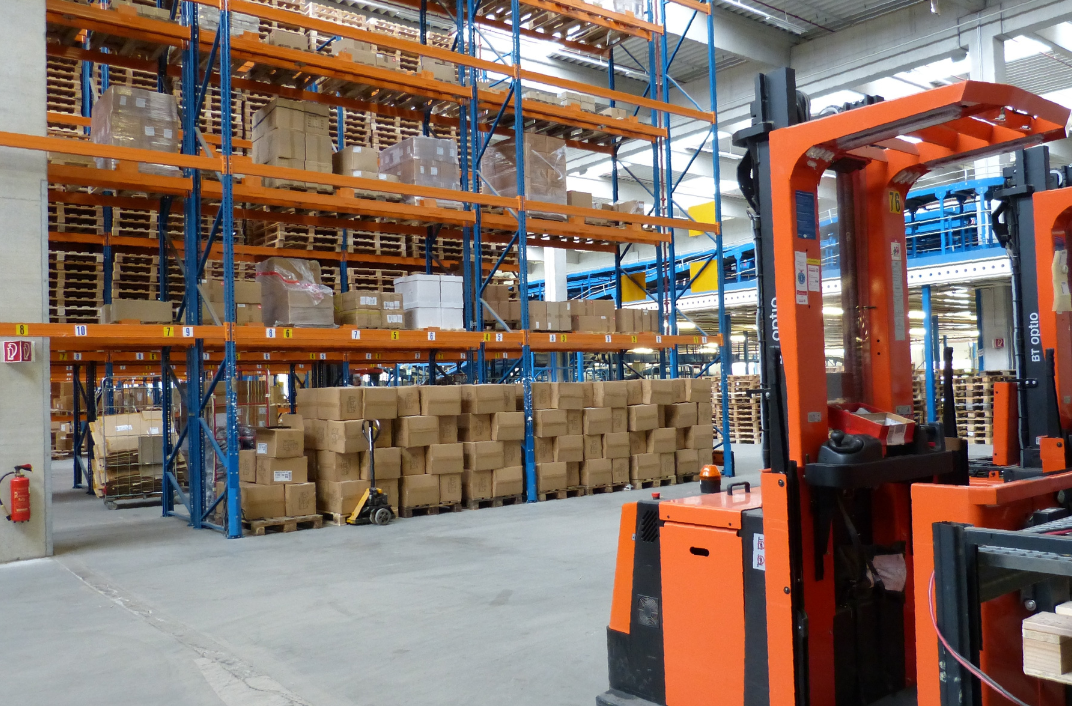
The workspace directly influences the choice of equipment. Narrow aisles, high-bay storage areas, or limited maneuvering space require more compact and versatile equipment. In larger spaces, it's possible to work with more robust and higher-capacity machinery.
Frequency of use and operational needs
Frequency of use is a key factor in the decision. Equipment for occasional use is not the same as equipment intended for intensive workdays. In this context, it's also important to consider whether it's better to purchase the machinery or opt for rental as a more flexible solution.
Maintenance and technical support
Maintenance is essential for ensuring operational continuity. Having a supplier that offers specialized technical service, readily available spare parts, and appropriate maintenance plans helps prevent work interruptions.
Safety and training
Safety must be a priority in any logistics operation. It is essential to choose equipment that complies with current regulations and offers adequate protective systems. Furthermore, operator training is key to the safe and efficient use of machinery.
Professional advice
Having the support of a specialized provider allows for more informed decision-making. Sound advice helps identify the company's true needs and choose the most appropriate solution for each situation.